



 September 11, 2015
1911
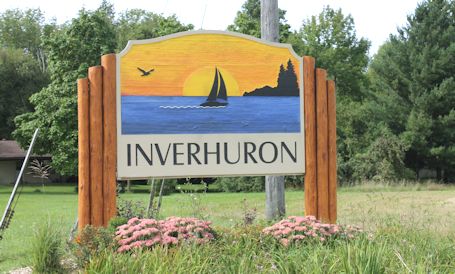
Kincardine council is again considering a grant application for the Inverhuron water and sewer project, with a final vote to be made at the Sept. 16 meeting.
The Inverhuron Watershed Concerned Citizens Association believes it is very important that all information and research should be on the table for consideration, said president Sharon Jackson in a press release, dated Sept. 9, adding that the expenditure of taxpayers' money deserves better due diligence.
The association asked for a ground water modeling study of the watershed more than four years ago and was denied, said Jackson. It also asked that modern and advanced septic options be considered as alternatives to a multi-million-dollar project but that was also denied over the past four years.
"During this time, several professional hydrogeology studies and reports have been done by Ontario universities on much larger communities, such as Sauble Beach and Grand Bend, which border on the Great Lakes," said Jackson. "ALL of them show no phosphorous loading on the adjacent bodies of water from septic systems.
"Why then is this water/sewer project being pushed so hard? A project whose cost and economic effects to many residents of the community are simply unsustainable. In reviewing the tender documents, we discovered more than 400 new hook-ups on existing vacant land that we, the public, were unaware of. Organizations such as the Inverhuron Watershed Concerned Citizens Association are not formed if the taxpayers feel they are getting a fair shake, and being treated in an equitable and transparent fashion."
Jackson said another recent report on the effectiveness of sand/septic systems, conducted by the Earth and Environmental Science Department at the University of Waterloo, is highly pertinent to Inverhuron's specific situation. The preliminary results were sent to the association by Professor William Robertson and they conclude: “Thus, a run-of-the-mill ….. 10-year-old Oastler (sand) septic system appears to be providing P(phosphorous) treatment, that is better by a factor of 5-10 compared to most sewage plants in Ontario.”
Jackson said that, on speaking with Robertson Wednesday, he indicated he would like to come to Inverhuron and do some monitoring on the lake.
"These studies clearly show that the cottagers did not pollute the lake," said Jackson. "Past research has shown the biggest threat, environmentally, to Inverhuron Bay is sourced in the effluent from the Little Sauble River. This is no different than pollution problems in Kincardine which are caused by the Penetangore River, and … .Kincardine has sewers.
"The Inverhuron Watershed Concerned Citizens Association filed a judicial review as a last resort May 4, 2015. The three pillars of the Environmental Assessment (EA) legislation were not considered in the last process and, consequently, the review remains in the courts at this time."
Written ByLiz Dadson is the founder and editor of the Kincardine Record and has been in the news business since 1986.
Related Stories
No related stories.